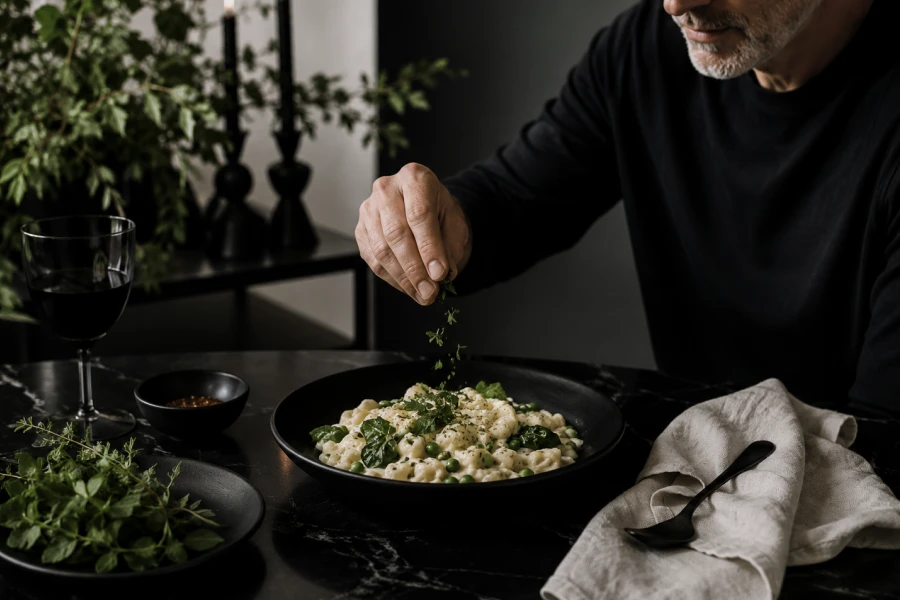
Favorite meals often mean more than the ingredients on the plate. They can remind you of family gatherings, familiar kitchens, and the dishes you reach for when life feels busy. healthier versions of classic comfort food make room for those memories while bringing more flexibility to your routine. The goal is not to make beloved dishes unrecognizable. It is to preserve what makes them feel comforting. You might keep the same sauce, seasoning, or cooking method. Then add more color, texture, or practical balance. Small changes can make a familiar meal feel fresh again. Comfort remains the point, but the everyday routine becomes more adaptable.
Every comfort dish has something that makes it feel special. It may be browned edges, a rich aroma, a creamy center, or a crisp topping. Identify that emotional detail before changing the recipe. Keep it as the anchor for the updated version. A thoughtful cozy weeknight meals approach respects the feeling people associate with the dish. It does not try to replace every ingredient at once. A small adjustment can be enough to create a different balance. Start with the flavor and texture that matter most. When the key memory stays intact, a favorite meal can evolve without losing its identity.
Satisfaction comes from more than richness alone. A dish can feel complete because it is warm, aromatic, creamy, crisp, or deeply seasoned. Notice which of these qualities matter most in your favorite meals. Then build around them with ingredients that suit your routine. A soup may need hearty texture and savory depth. A baked dish may need contrast between a soft center and a crisp top. A useful lighter creamy sauces strategy can preserve richness while adding fresh notes. Let sauces support the meal rather than carry every flavor alone. Understanding satisfaction gives you many more choices than following rigid rules.
Building blocks give every recipe its structure. They include the base, protein, vegetables, sauce, and finishing elements. Changing one building block can refresh the whole meal. Add beans to a familiar chili or extra vegetables to baked pasta. Use a filling grain where a dish needs more substance. Keep the flavors your household already loves. A practical practical meal prep approach helps these updates feel easy during the week. No single ingredient has to do all the work. Several simple elements can create a meal with more color and texture. This makes familiar food feel satisfying while opening space for useful changes.
Many comfort dishes become better through one dependable technique done well. Roasting develops sweetness and savory depth. Simmering gives flavors time to come together. Browning creates notes that make simple ingredients feel more substantial. Use these methods to create richness before adding heavier ingredients. Avoid adding extra steps just to make a dish seem impressive. The simplest method is often the one you will repeat. Keep cleanup in mind when planning the meal. A sheet pan, skillet, or pot can often do more than you expect. Cooking should restore energy at the end of the day. It should not become another exhausting task on the schedule.
Balance does not mean taking pleasure away from a meal. It means allowing several flavors and textures to share the plate. Pair a rich dish with something crisp, tangy, or fresh. Add a colorful vegetable side beside a warm baked main. Finish savory food with herbs, citrus, or a bright sauce. A strong family dinner refresh creates contrast without changing the heart of the meal. Let every component play a different role. That variety makes a plate feel less heavy and more interesting. It also allows familiar comfort food to stay satisfying in a more flexible routine.
Family meals work best when they invite curiosity rather than resistance. Introduce updates naturally inside dishes everyone already knows. Ask what people enjoy about the meal after dinner. Listen for preferences around texture, seasoning, and serving style. Keep the versions that earn real enthusiasm. Treat the process as an ongoing kitchen experiment instead of a strict rule. Let children or partners help choose a topping or vegetable addition. Small participation can create more openness at the table. Continue serving familiar favorites beside newer ideas. Over time, your household can build its own version of comfort food: recognizable, satisfying, flexible, and genuinely enjoyable.



Leave a comment