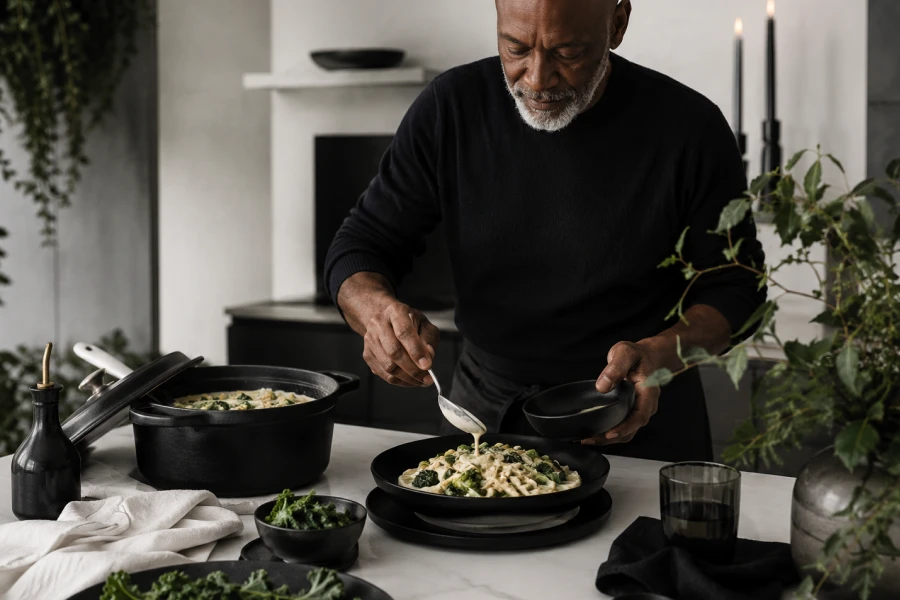
Comfort food is about more than a list of ingredients. It carries routines, memories, and the feeling of being cared for after a long day. healthy comfort food swaps help you keep that feeling while making practical changes in the kitchen. The goal is not to remove everything rich or familiar. It is to understand what makes a dish satisfying in the first place. Some ingredients bring creaminess, while others create crunch or savory depth. Once you know the role, you can make more flexible choices. Start with one favorite meal rather than changing your whole routine. A few small adjustments can create a version that feels just as comforting and easier to enjoy often.
Flavor should always come first when you update a favorite recipe. A dish that tastes flat will not become part of your regular routine. Keep the herbs, aromatics, and cooking methods that make the meal recognizable. Then look for ingredients that add color, texture, or a fresh note. Thoughtful smart ingredient substitutions support the original character of the meal. Roasted vegetables can deepen a sauce without changing its soul. Beans can add body to soups, skillets, and baked dishes. Yogurt can bring brightness to a creamy topping. The best changes feel intentional, satisfying, and easy to repeat.
One ingredient often does more than one job inside a recipe. Cheese may add richness, salt, and a melted finish. Breadcrumbs may create crunch while also holding moisture. Instead of searching for one perfect replacement, identify what you want to preserve. You may find that two smaller changes work better than one dramatic one. Toasted grains can add a crisp top to baked dishes. Blended vegetables can create a smooth, creamy texture. A practical better-for-you comfort dishes approach gives you more options. Flexibility makes cooking feel more creative. It also helps favorite meals remain recognizable and satisfying.
Changing every part of a dish at once can make it feel unfamiliar. Choose one adjustment, taste the result, and decide whether it belongs in your routine. This approach helps you learn what your household actually enjoys. It also makes shopping and cooking more manageable. Start by adding vegetables to a familiar sauce or soup. Use a smaller amount of a rich ingredient while building flavor elsewhere. A useful family dinner refresh can begin with one small change. Notice what improves the dish and what feels unnecessary. Gradual updates are easier to sustain. They make your cooking routine feel flexible rather than restrictive.
Texture is one reason comfort food feels so satisfying. Creamy, crisp, soft, and golden elements make a meal feel complete. When you adjust ingredients, preserve the contrast that makes the dish appealing. Add a crunchy topping to a warm baked meal. Include a crisp salad beside something creamy and rich. Use herbs or citrus to brighten heavier flavors. A balanced vegetable-forward comfort meal can still feel deeply satisfying. Think about what happens after the food reaches the plate. A range of textures makes every bite more interesting. Small finishing touches can make lighter changes feel generous and familiar.
Cooking becomes easier when useful ingredients are already waiting at home. Keep beans, grains, broth, frozen vegetables, herbs, and flavorful spices within reach. These staples can add body, color, and depth to many different meals. Choose items your household will genuinely use instead of buying ingredients for one recipe only. A dependable collection of balanced pantry staples gives you options on busy evenings. Store them where you can see them easily. Use them as support rather than as rules. A good pantry does not need to be perfect. It simply gives you several practical ways to make a comforting meal feel more balanced.
The best changes are the ones you can repeat without much thought. Keep notes on meals that worked especially well. Return to those ideas when you need an easy dinner. Let feedback from your household shape which versions become regular favorites. Avoid treating every meal as a test of discipline. Food should still offer pleasure, warmth, and connection. Build your routine around dishes that feel both manageable and satisfying. Use small changes often rather than seeking a dramatic overhaul. Over time, your favorite meals may become brighter, more flexible, and more nourishing. That steady evolution is what helps a kitchen habit last.




Leave a comment