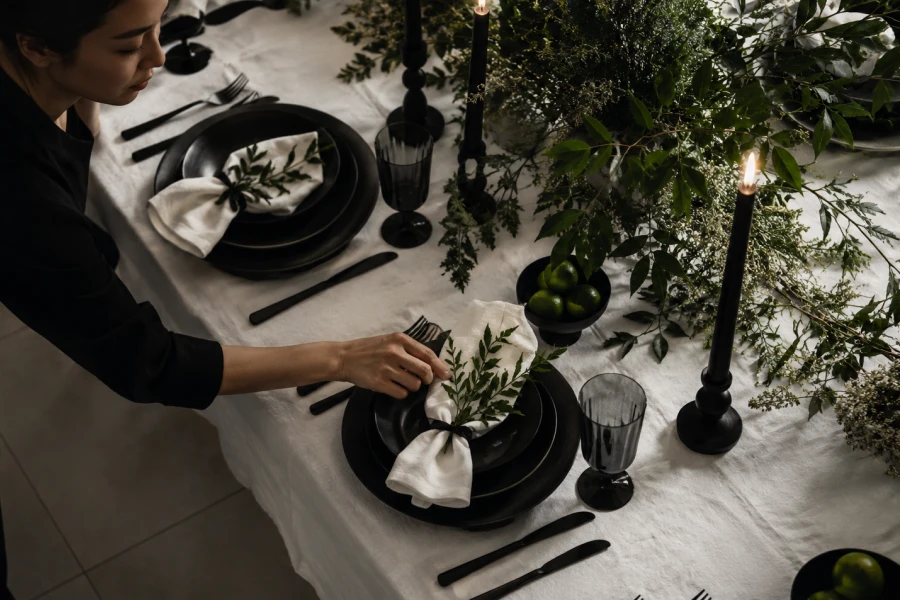
A table becomes more meaningful when it reflects the reason people gathered. table setting ideas for celebrations help turn an ordinary dinner into a moment with shape and atmosphere. They give guests a visual signal that the occasion matters. The best settings do not rely on expensive pieces or complicated rules. They rely on thoughtful choices that work together naturally. Start with the type of celebration you are hosting. A birthday brunch, engagement dinner, and holiday meal all need different moods. Let the menu and guest list influence your decisions. Then create a surface that feels warm, useful, and easy to enjoy. A well-set table allows the celebration to begin before anyone takes a seat.
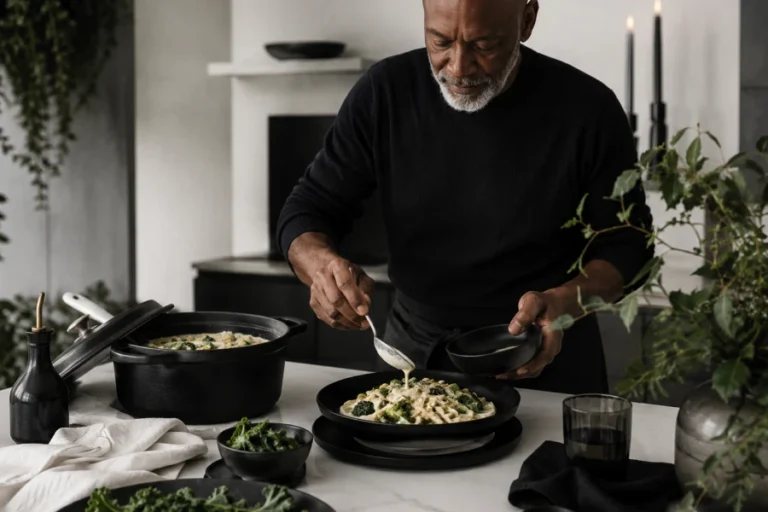
The meal should shape the arrangement from the start. Think about whether dishes will be shared, plated, or served buffet-style. Each option affects how much room guests need at the table. A formal plated dinner can support more decorative details near each seat. A shared meal needs a more open center and easy access to serving dishes. Smart celebration table design starts with practical questions. Where will drinks sit once the food arrives? How many plates or bowls will each guest need? Will the centerpiece need to move during dinner? When the setting supports the meal, hosting feels more relaxed for everyone involved.
Color can carry a celebration, but it should not overwhelm the table. Choose one main shade, one supporting accent, and one neutral base. This gives the arrangement personality while keeping it visually calm. Deep green can feel striking beside black dinnerware and cream linen. Warm gold can soften a table built around natural wood and clear glass. Your seasonal entertaining décor can provide the strongest color moments. Repeat each shade only two or three times across the surface. Use flowers, napkins, or fruit to bring a brighter note. Let the remaining pieces stay simple and supportive. A restrained palette makes the whole table feel more polished.
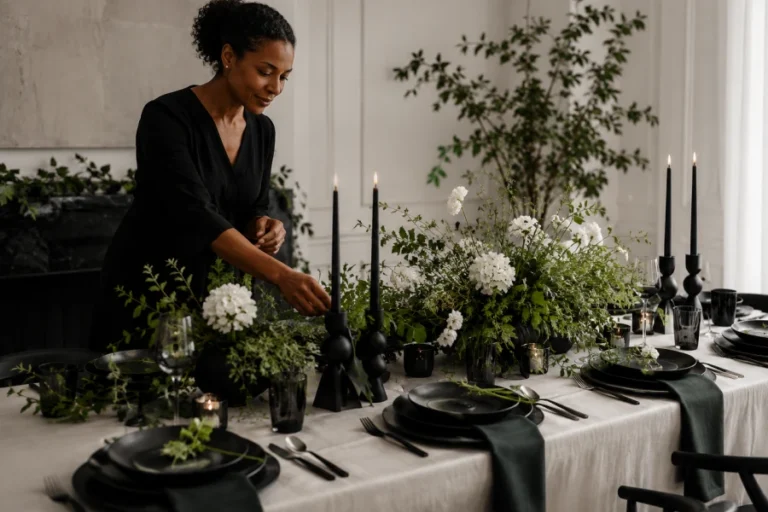
Proportion is what makes a table feel complete instead of crowded. Large plates need empty space around them to feel intentional. Small accents need enough repetition so they do not disappear visually. Step back from the table and view it from the doorway. Look for areas that feel too heavy or too bare. A thoughtful polished place settings arrangement often uses repeated forms. You might repeat one small bud vase down the table. You might echo a napkin fold at every seat. Vary candle heights gently rather than dramatically. These small decisions give the table a rhythm that feels balanced from every angle.
Celebration tables become warmer when they include objects with a little story. A favorite serving bowl can sit beside everyday plates. A family pitcher can hold branches or flowers. Handmade ceramics can add softness to a more formal setting. These details do not need explanation to feel meaningful. Guests often notice the sense of familiarity they create. A simple object can make a new gathering feel more connected. Use personal pieces as accents rather than trying to fill the whole table with them. Let each item have enough visual space to matter. The result feels collected, lived-in, and much more welcoming than a perfectly matching display.
Before guests arrive, remove anything that only looks good from a distance. The table should still work once drinks, serving bowls, and conversation fill the room. Check that every chair pulls out easily. Make sure candles are clear of fabric and branches. Look for decorative objects that could be knocked over during the meal. A flexible low centerpiece styling approach helps the arrangement stay functional. Keep the center light enough to shift when food arrives. Leave surfaces clear near each guest’s glass. An honest edit creates the feeling of abundance without sacrificing comfort. That is what makes a beautiful table feel genuinely hospitable.
The final ten minutes can make the whole setup feel intentional. Smooth the linens and straighten the chairs. Place water glasses only when it makes sense for your schedule. Light candles close to arrival time so the room feels ready. Add a final fresh element, such as herbs, citrus, or clipped branches. Check the table from each side before stepping away. Move anything that blocks a sightline or crowds a plate. Keep a small tray nearby for items that need clearing later. Let the lighting match the feeling of the celebration. These final adjustments make the room feel calm, thoughtful, and ready to welcome everyone inside.

Leave a comment